Coaching

How I coach, and whether you need me

Everything on this site is free, and plenty of people get strong with it alone. If you'd like someone in your corner, here are the four ways we can work together, who each one suits, and who it doesn't.

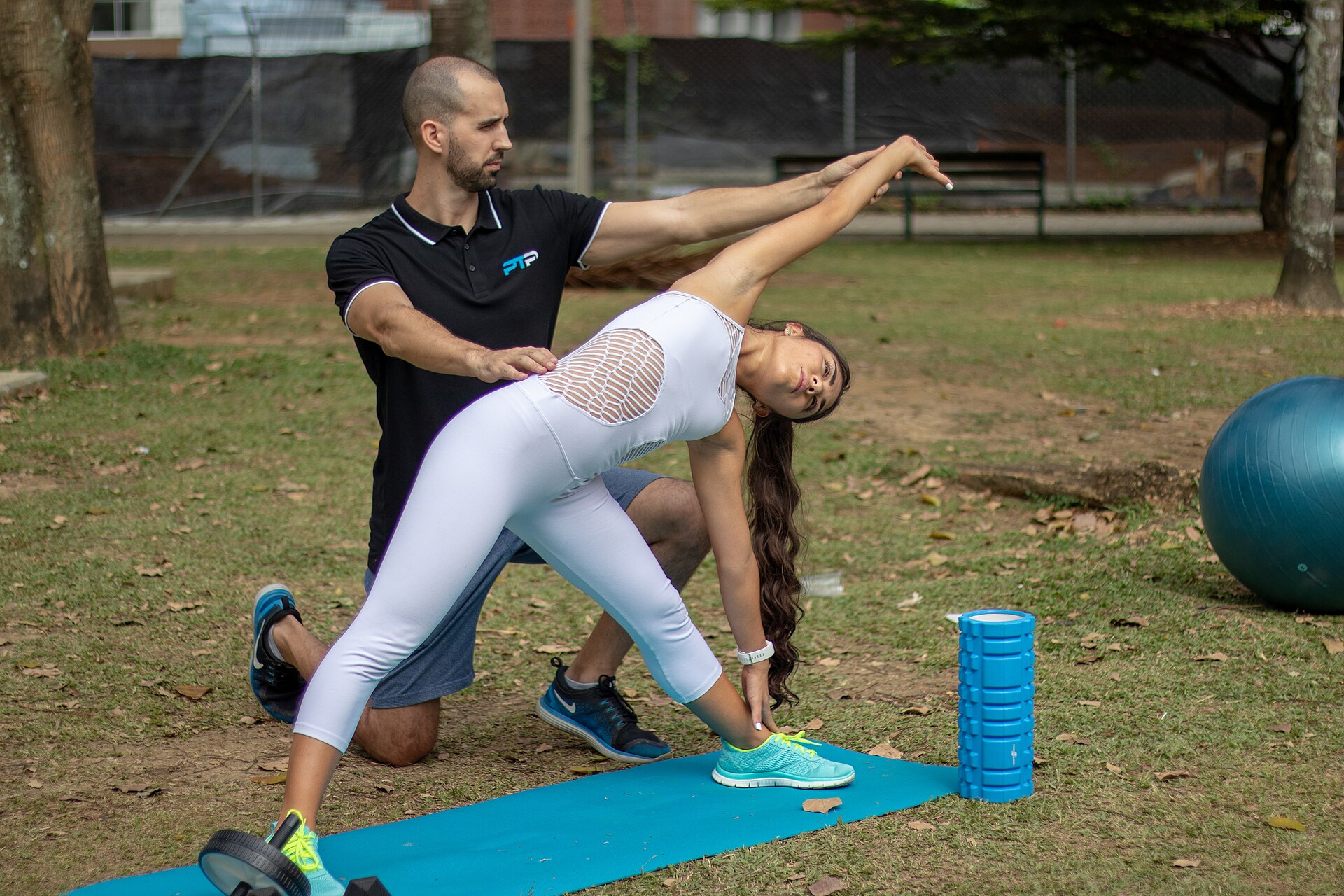
A coach guiding a client through a stretch
Temporary photo PTPioneer, CC BY 2.0

Four ways to work together

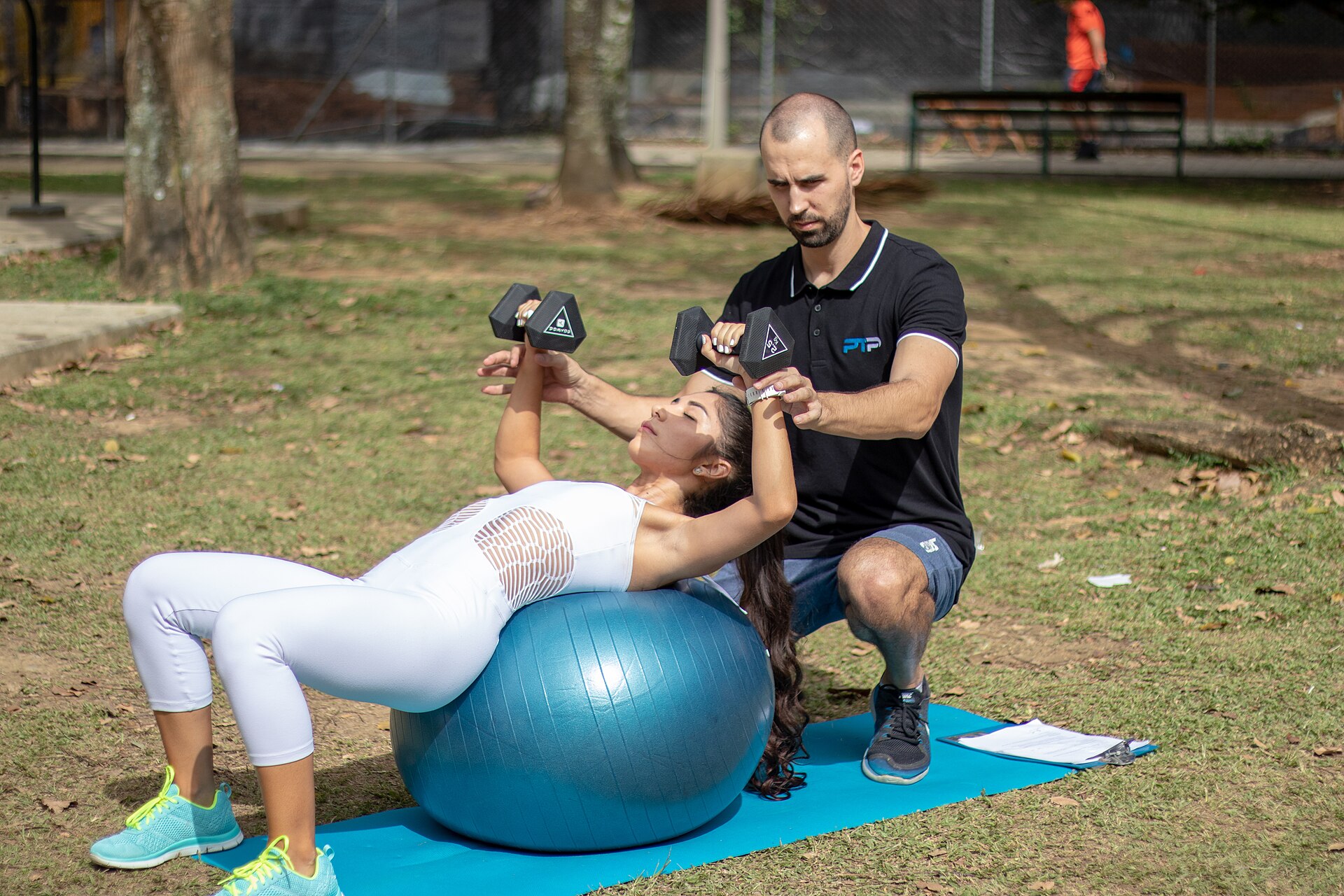
A coach guiding a client's dumbbell press
Temporary photo PTPioneer, CC BY 2.0

In person, every session

Personal Training

One coach, one person, every session.

Every session is coached in person. Technique is corrected as it happens, loads are chosen set by set, and the plan changes the moment something isn't working. It is the fastest way to learn to lift well, because nothing goes unnoticed.

A good fit if you're new to lifting and want to learn it properly from the start, you're working around an injury or a painful movement, or you want full attention on every rep.

Worth knowing. It is the most expensive way to be coached. Once you can train safely on your own, a lighter-touch format usually makes more sense.
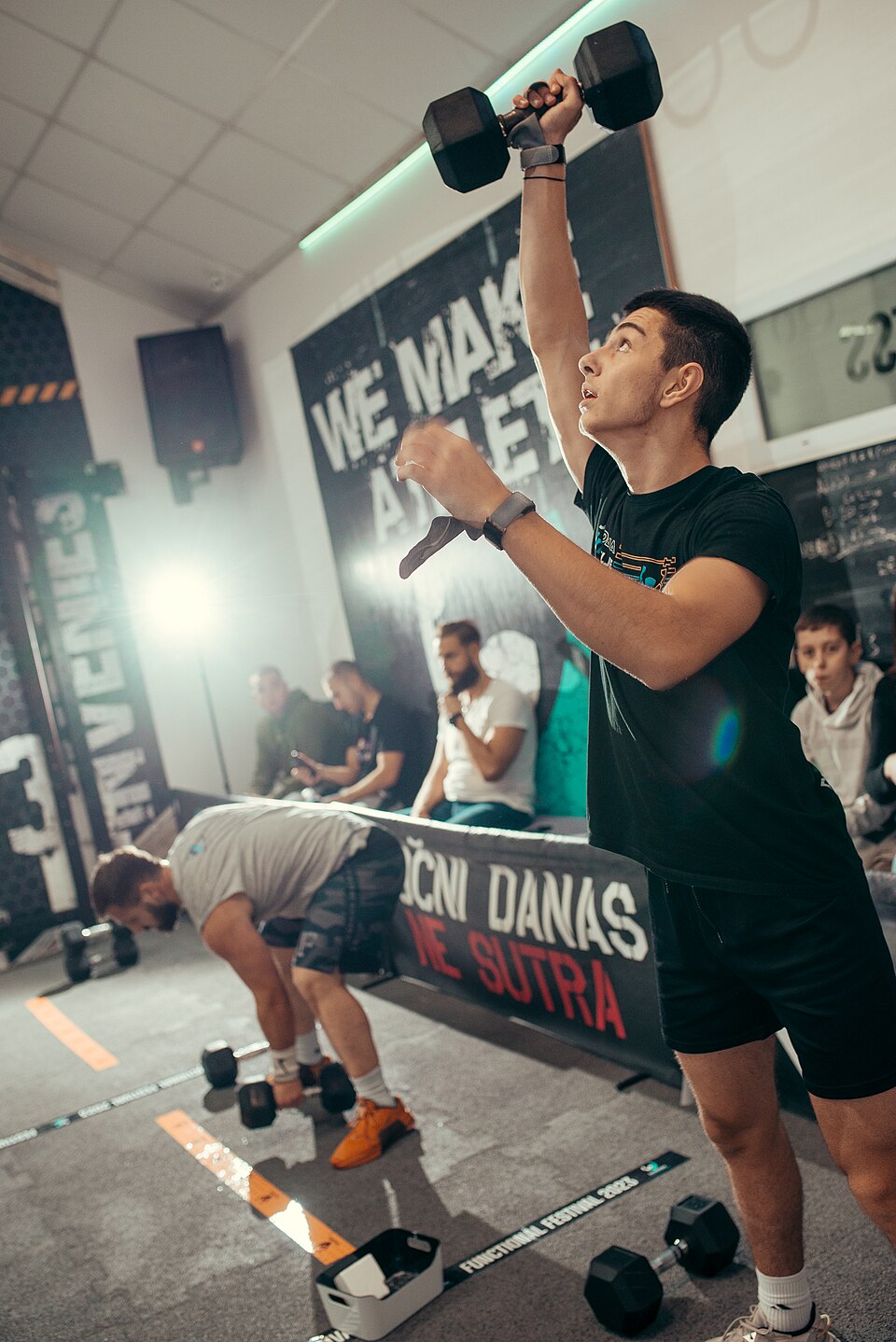
A small group training together
Temporary photo Shixart1985, CC BY 2.0

In person, shared sessions

Small Group Training

Coached sessions shared with a few other people.

A small group trains together, each person on their own program, with the coach moving between them. You still get technique coaching and progression, plus the steadiness that comes from training alongside the same people each week.

A good fit if you can already move reasonably well and want structure, you like training with other people, or you want coaching at a lower cost than one-to-one.

Worth knowing. Attention is shared, so it isn't the right place to learn a lift from scratch or to rehabilitate an injury.

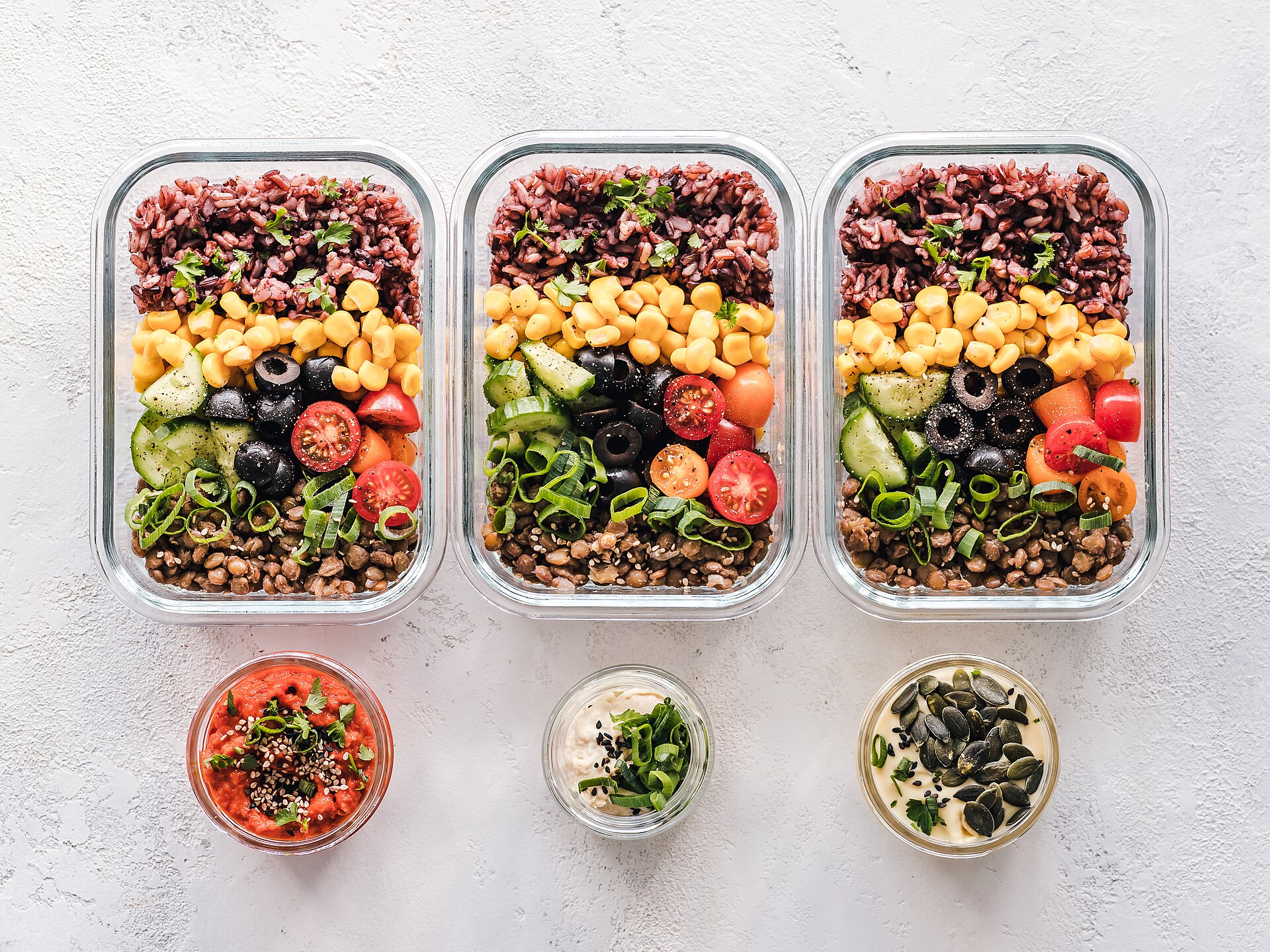
A week of meals, prepared ahead
Temporary photo Ella Olsson, CC BY 2.0

Regular check-ins

Nutrition Coaching

Habits and targets you can keep on a normal week.

Rather than a meal plan, you get targets that fit your life—protein, a sensible intake for your goal—and help building the habits that make them easy. Progress is reviewed regularly, and adjusted from what actually happened.

A good fit if your training is consistent but your eating isn't, you're losing fat and want to keep your muscle, or you've tried strict diets and want something that lasts.

Worth knowing. It is coaching, not medical nutrition therapy. If you have a medical condition or a history of disordered eating, a registered dietitian is the right person.

Checking in from the gym on a phone
Temporary photo Shixart1985, CC BY 2.0

Remote, with check-ins

Online Coaching

A program written for you, wherever you train.

Your training is planned around your schedule and equipment. You train on your own, log what you do, and send video of key lifts. The coach reviews it, adjusts the plan, and answers questions between check-ins.

A good fit if you already know the basic lifts, your schedule or location makes in-person sessions hard, or you're self-motivated and want expert programming.

Worth knowing. Feedback arrives after the session, not during it. If you've never lifted, start in person and move online once the basics are solid.

Getting started

How we'd begin

Whichever way we work together, the first weeks go the same way.

  1. We talk

    A short conversation about what you want, what's in the way, and whether coaching is the right tool at all. If it isn't, I'll tell you.

  2. I watch you move

    How you move, what you can lift comfortably today, the week you actually have, and anything that hurts. It's a starting point, not a test to pass.

  3. A plan you understand

    Written for your real schedule. Every part of it comes with the reason it's there.

  4. We keep looking

    I write down what you do and we review it together. The plan changes when the evidence says it should, not because a calendar says so.

What you can hold me to

Commitments, not slogans.

You'll understand why

I explain the reasoning, not just the sets. I'd like you to be able to write your own program one day.

Built around your real week

A two-day plan you never miss beats a four-day plan you follow twice.

Technique before load

Positions and control come first. They're what keep you progressing for years instead of months.

Progress you can point at

Sessions, loads and measurements get written down. Progress should be a number that moved, not a feeling.

Nothing to sell you

I won't sell you on fear or on a supplement. When the honest answer is 'it probably doesn't matter much', that's what I'll say.

Coaching that expects to end

My job is to make myself unnecessary. When you can train well on your own, that's the win, not a lost client.

Before you decide

Do I need to get fit before I start?

No. Coaching starts from where you are today. Waiting until you feel ready usually means waiting longer than you need to.

The first sessions are about learning positions and finding loads that are comfortably manageable. Nobody is tested or pushed to see what they can take.

How do I know which format is right for me?

If you're new to lifting or working around pain, start in person. If you already know the basics, small group or online coaching usually fits well.

Formats aren't permanent. Many people start with personal training to learn the lifts, then move to small group or online coaching once they can train safely on their own. The consult is where this gets decided, together.

Is nutrition coaching a meal plan?

No. It's targets and habits that fit the way you already eat, adjusted over time from what actually happens.

Meal plans tend to work until the first week that doesn't go to plan. Habits and a few sensible targets survive real life far better.

Nutrition coaching is not medical treatment. Medical conditions and disordered eating are the work of a doctor or registered dietitian.

What happens in the consult?

A conversation about your goals, your history and your week, and an honest answer about whether coaching will help.

There is no hard sell. If what you need is a good program and some confidence, you may be pointed back to the free Journeys and tools on this site instead.

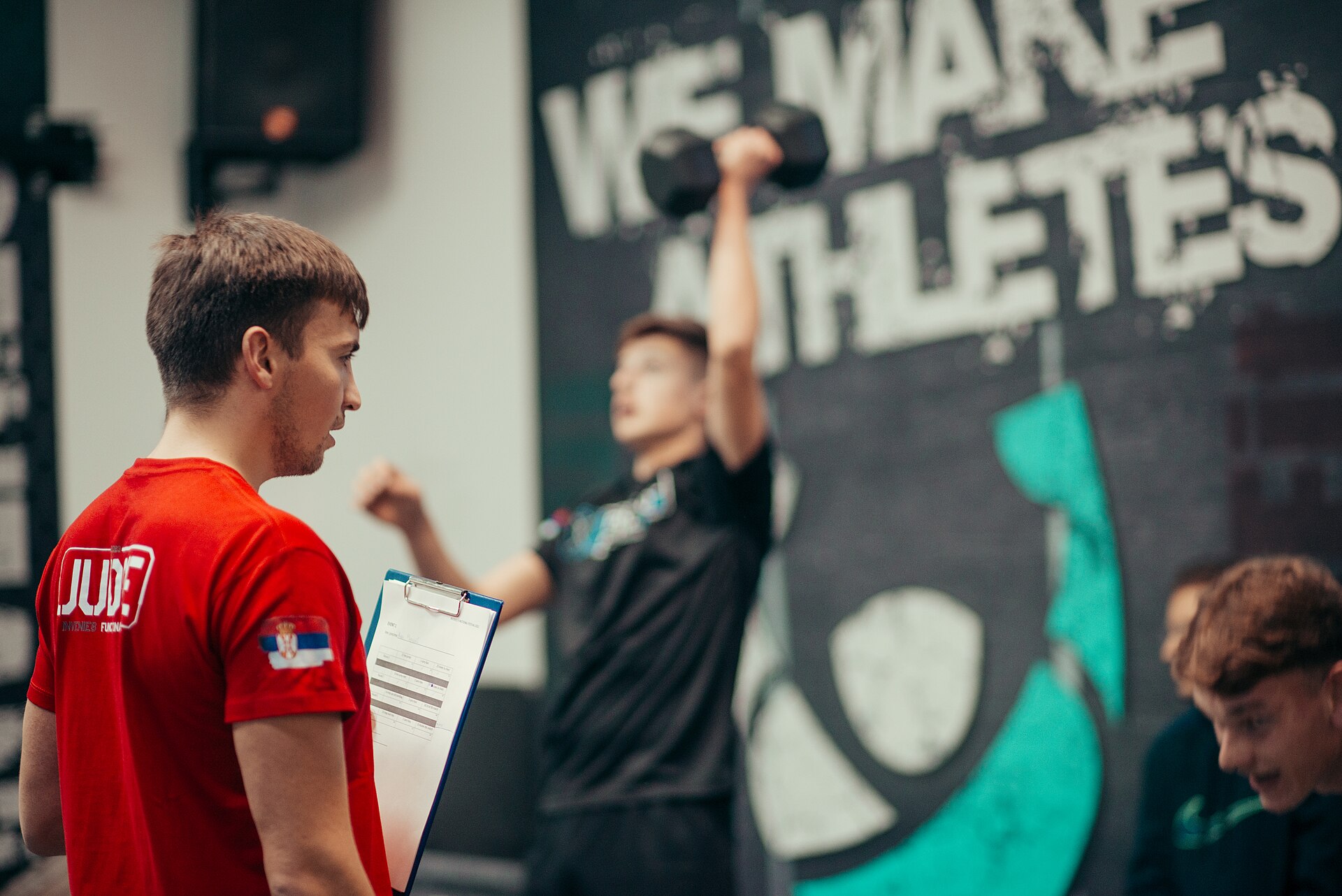
A coach with a clipboard watching an athlete lift
Temporary photo Shixart1985, CC BY 2.0

Ready to talk it through?

It starts with a short conversation about what you want, and whether coaching is the right way to get there. Pick a time that suits you, and I'll see you then.

Already a client? Sign in.

Rejoining the server...

Rejoin failed... trying again in seconds.

Failed to rejoin.
Please retry or reload the page.

The session has been paused by the server.

Failed to resume the session.
Please retry or reload the page.